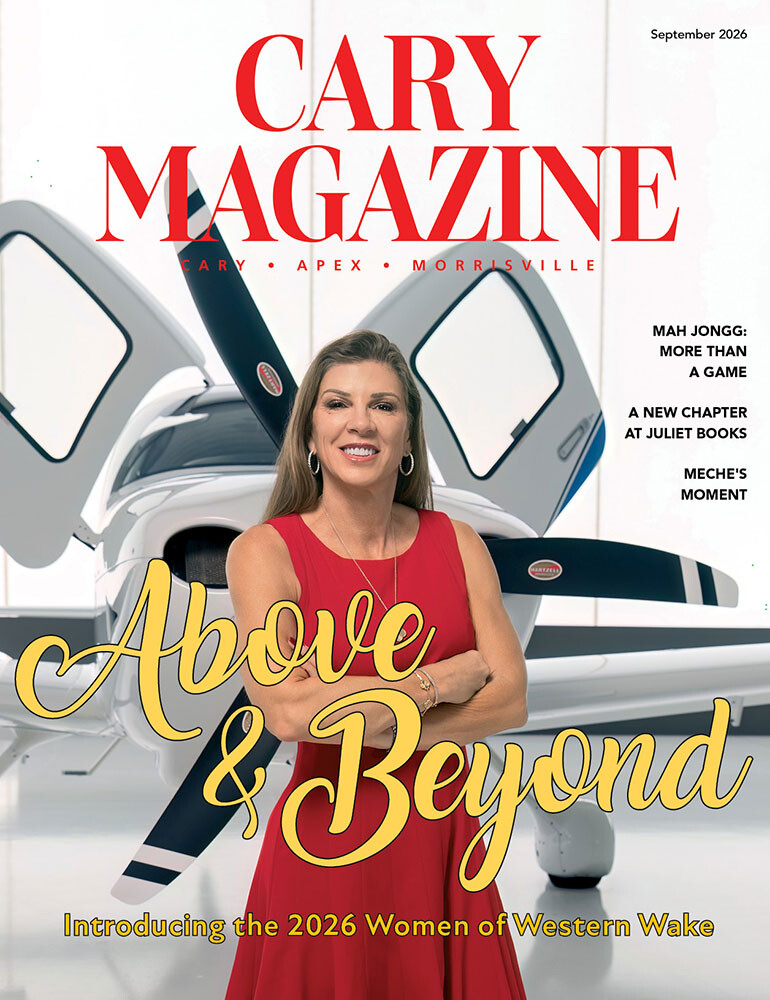



This year’s Movers & Shakers embody the spirit of a region on the rise. These 10 young professionals — spanning industries and forging their own paths — speak individually to strength and success. Together, they celebrate connection and community, proving that purposeful leadership is paved by passion and persistence.
Kayla Brown
CEO & Founder, My Roar Speech Therapy

Helping children find their voices is Kayla Brown’s calling. She always wanted to work in healthcare with kids but says, “I’m too squeamish to be a doctor.”
Her path became clear during an undergraduate internship at a pediatric therapy clinic. “They had speech, OT, and PT, so I got to observe all three, and I immediately fell in love with speech therapy,” she recalls. “It was something about being a part of the experience of seeing the parent’s face when their child says their first word.”
After earning her master’s degree in 2021, Kayla worked at an interdisciplinary clinic, but she soon felt something was missing. “Healthcare just seemed very transactional,” she says. “It was all about productivity: ‘Next patient, next patient.’” She was losing track of her personal why, and she felt the industry was “losing the fact that we’re interacting with parents and their children.” So, in 2023, just two years into her career, she launched her own practice.
Kayla admits entrepreneurship “wasn’t the initial plan,” although she was inspired by her father, an engineer and entrepreneur. “I always said, ‘That’s a lot of work. I don’t know if I want to do it,’” she says with a laugh. “And then here I am — just doing it.”
The vision for My Roar Speech Therapy is heartfelt. From the front desk to the billing coordinator to the intern, the goal is for every family to feel warm and welcome. “I joke that we’re the Disney World of pediatric therapy,” Kayla says. There are snacks for siblings, essential oils for parents, and even if a child isn’t there for therapy, she says, “we’ll go out and play with them.”
This attention to detail and compassion has earned Kayla the community’s loyalty. One mom told her that she’d trust leaving her child with anyone on the team — and that’s exactly what Kayla is striving for.
The clinic already serves about a hundred families, and Kayla dreams of expanding to more underserved areas. “We have families driving from Fayetteville, Mebane, and Wendell,” she says. “Those communities shouldn’t have to travel an hour for care.”
Though she now focuses on running the business full time, she still finds joy in connecting with her “pride,” as she calls them. “I may not do the daily sessions anymore, but I still go out, play with the kids, greet families. They’re all my kids.”
Kayla’s leadership philosophy centers on empathy and empowerment, especially as a young woman. “There’s definitely been imposter syndrome,” she says about walking into a room and often being the only person of color, the youngest person, and a woman. But she has learned that she wouldn’t be in the room if she wasn’t meant to be there.
Faith and family keep Kayla centered, as she attributes her success first to God. “And my parents,” she adds. “They’ve always believed in me.” Her husband and an ever-expanding circle of mentors also form part of her support team.
Kayla’s future goals unsurprisingly extend beyond business growth. “I want to keep speaking to students, mentoring young women, and giving back,” she says — because everyone should have a voice.
Avi Grewal
Director of Development, Singh Development

For Avi Grewal, development isn’t just about construction — it’s about connection. As part of his family’s real estate and construction business, started in 1973 by his father and uncles, Avi sees every community built as an expression of legacy and trust.
After being raised in Michigan, on Singh Development construction sites, Avi spent years in Los Angeles and New York before moving to Cary in 2019. “A few of us came back,” he says about returning to the family business, which has had an office here since 2005, when the recession was over and he’d gained experience doing general contracting in LA. “We were kind of recruited to come back,” he says with a laugh.
Today, Avi heads up Singh’s development arm, guiding projects that stretch from Michigan to Virginia and include commercial real estate, upscale apartments, senior living facilities, and more. “We do everything kind of vertically integrated,” he says. “Everything we build, we manage ourselves. It’s unusual in the industry to do that, and it’s also unusual to not have outside equity partners, which we don’t have either.”
Singh also doesn’t build anything to sell. “We live in the communities that we actually build,” says Avi, “which is rare, especially in a place like the Triangle.”
Among his current projects, Morrisville Town Center stands out as particularly exciting. “There’s a lot of communication and coordination that needs to happen … a lot of problem-solving required.”
That’s just the nature of the development business, Avi says. Throughout a project’s seven-year lifecycle, “You’re always putting out fires and trying to focus on the positive things that are happening,” he shares. “We celebrate finishing a community, high five, and then an hour later, what’s the next problem for the next project?”
Problem-solving, in fact, has become second nature to Avi. He credits much of his resilience to growing up in a family culture built on trust, accountability, and long-term relationships. “We’ve always believed in standing by our word,” he says. “If we commit to something, we follow through. That’s how we’ve built lasting relationships over the past five decades.” That integrity shows up in the deals and the details. Take the Griffin Weston apartments, where Singh commissioned internationally acclaimed sculptor and painter Thomas Sayre to create a landmark sculpture. “We could have taken a simpler approach,” Avi says, “but creating something meaningful, something that adds character and identity, was important to us. That’s what makes a place feel special.” Balancing business and family is a project still under construction for Avi. Growing up in a family business often meant blending work and life. “Vacations looked a little different for us,” Avi recalls with a laugh. “Trips were often centered around exploring new markets or checking on projects.”
Yet he insists the newer generation is trying to do it differently. “Those of us in the business now are trying to make a conscious effort to have balance and a life outside of the business” — fortunately, with the support of the generation before them.
Dr. Martyn Knowles
Vascular Surgeon, UNC Rex Hospital
Chief Medical Officer, OpFlow

Medicine forms the perfect intersection of humanity and science for Martyn Knowles, who “was always enthralled with it on TV” and who, as a teen, trailed his older cousin for a day at a hospital in Soweto, Johannesburg. “It looked like such an interesting way to put humanity and science together,” he says. “You’re figuring things out. It’s engineering, sociology, psychology. … It’s dealing with people. It’s the service industry at the max level.”
That fascination has carried him through a career in vascular surgery — a specialty he calls “technically difficult.” In fact, he chose it for that very reason: “I picked vascular surgery because it was the hardest rotation I did in general surgery. It’s very fine skills where you’re working with tiny things and sewing things together. And if you make one little mistake, it bleeds, and it’s problematic … all the way to some of the most dangerous, life-threatening things that happen to people.”
Martyn admits that he’s drawn to action over deliberation. “I knew I wanted to be a surgeon because I like fixing things,” he says. “But I like fixing them with an act or an action. … I like immediate results.” Unlike other surgical fields, vascular medicine keeps Martyn connected to his patients through longitudinal care. He has been at UNC Rex Hospital for 12 years and says, “I have patients that I’ve taken care of for 12 years — and now I’m taking care of their kids or their parents.”
As Medical Director of Surgery at UNC Rex and co-founder of AI-powered surgical efficiency company OpFlow, Martyn balances multiple roles by keeping his focus simple. “I think that the mistake people make is that they try to do too much when they’re away from work,” he says. “For me, it’s family and it’s work — and that’s it. If I’m playing golf, I’ve got my three boys in the cart with me.”
But, he says, “something always comes up,” so he considers himself fortunate to have a fantastic group of partners. “There’s always someone able to help,” so patients are cared for and physicians have quality of life. Rex has always been what Martyn describes as “very pro-physician … hiring good people because that’s what drives care.”
His entrepreneurial streak emerged after he earned an MBA through a Rex-UNC program. Along with two partners — a fellow surgeon from medical school and a neighbor who specialized in tech startups — he launched a company to improve efficiency in the operating room. “We built a platform that tracks what’s used and what’s not, and it has saved hospitals millions.”
Working at Rex means Martyn and his partners also serve other communities. When he started traveling to Holly Springs, he describes it as a “sleepy little town” where he would likely see three patients a week. Now, it’s the busiest Rex site outside of Raleigh, and Martyn estimates that between the two locations he sees about 200 patients a week. For him, that growth is proof of what medicine is really about: service. “You’ve got to make your customers happy — and you make them happy by providing good care.”
Brian Laughlin
Vice President & Branch Manager, TowneBank
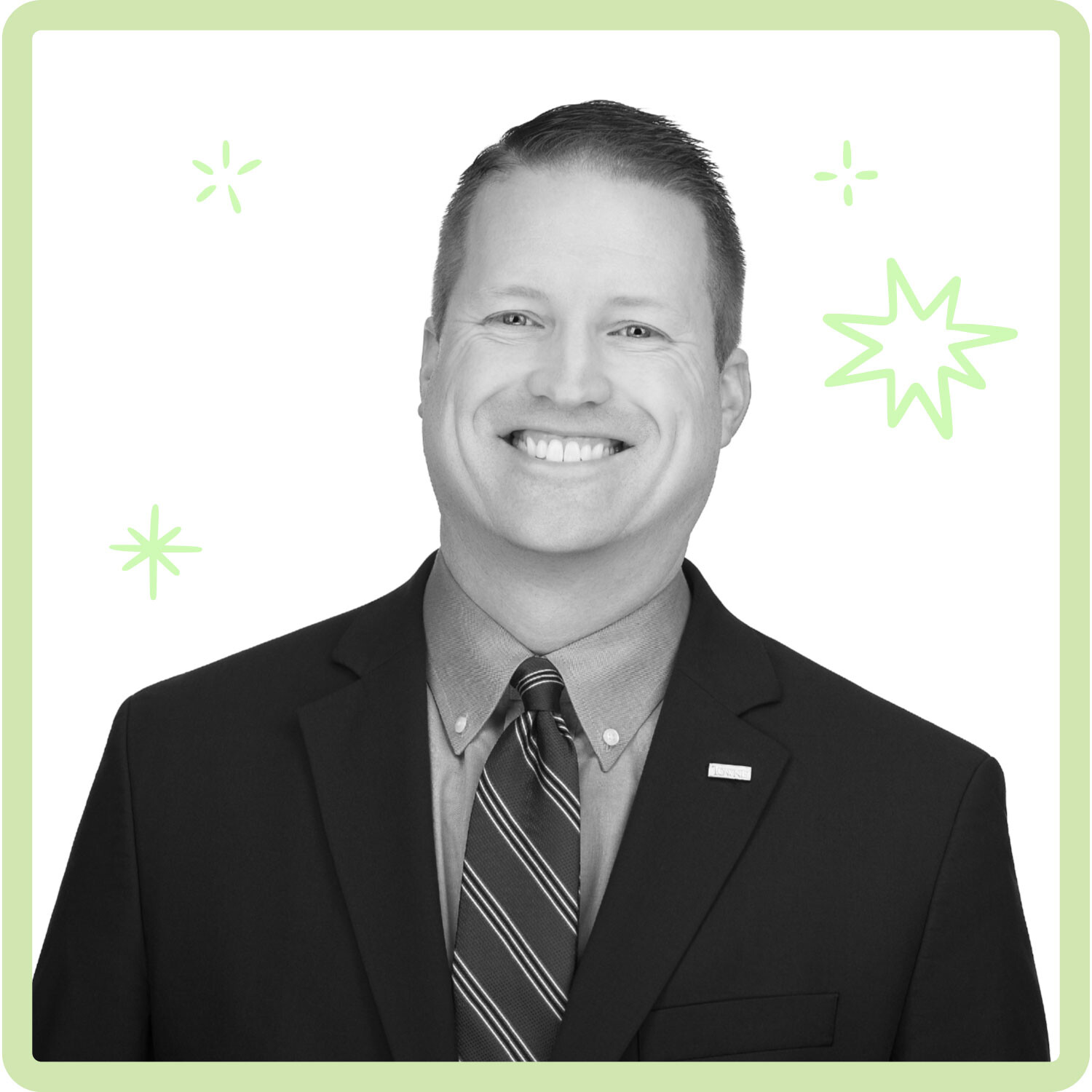
When Brian Laughlin moved to Cary six years ago, the decision was about family and the future. “My wife and I decided we would like to be closer to family,” he says. “My sister had lived here for a long time, and my parents said they’d move from their home in Ohio if we did.”
Today, Brian is enmeshed in the Cary community personally and professionally, in a role he calls “the most community-focused position” of his career. He was pursued by well-respected local banking leaders Patsy Johnson and Brian Reid, who were creating a new TowneBank location in downtown Cary. “I’d been with larger banks,” Brian says, “and I really wanted something more community oriented.”
He joined the bank just as the new branch was being built. “It was definitely rewarding and challenging,” he says. “I had to recruit a new team quickly, send them to Virginia for training, and then be ready to open a new location.” Even with 20 years in banking, Brian says the process was like drinking through a fire hose.
The result, though, speaks for itself. The Cary location has grown steadily, fueled by Brian’s leadership style of transparency, empathy, and communication. “I think I provide an environment where people feel cared for. I try not to be high pressure,” he explains. “I’m competitive, but I want my team to enjoy coming to work. If they do, it reflects on our members and the community.”
Brian’s philosophy aligns closely with TowneBank’s mission: Serving others. Enriching lives. He leads with a steady mix of integrity, accountability, and heart. “Integrity means doing the right thing even when nobody’s watching,” he says. “Accountability means owning your decisions. And empathy is the relationship-building part.”
It’s those relationships that have helped TowneBank become a visible partner in Cary’s business and nonprofit scene. Brian spends his time with the Chamber, Rotary, and local schools, where he teaches financial literacy. “We do fraud seminars at retirement communities, financial education in schools … anything that can help people make better financial decisions,” he says.
That desire to educate others started early. “My father was a banker,” he says. “My parents instilled the values of saving and money management at an early age.” (Brian was balancing checkbooks as a kid.) Graduating college during the Great Financial Crisis and working in consumer lending was an eye-opening experience for him, which led Brian to earn his MBA and investment licenses.
Beyond work, Brian’s life centers on his three young sons and teacher wife. “She’s the glue that holds the beautiful chaos together,” he says. “Our boys are 3, 6, and 9, and now that they’re older, we try to bring them to community events. I coach T-ball and basketball, so we stay busy.”
Brian admits he “used to measure life by quantity — how many games did I win, how many friends do I have — but now I focus on quality relationships and meaningful experiences.” He’s learned that a few strong, meaningful things are much more valuable than many less important ones.
Kira McKinnell
Procurement Manager, IBM
Board Member, Triangle Special Hockey Association
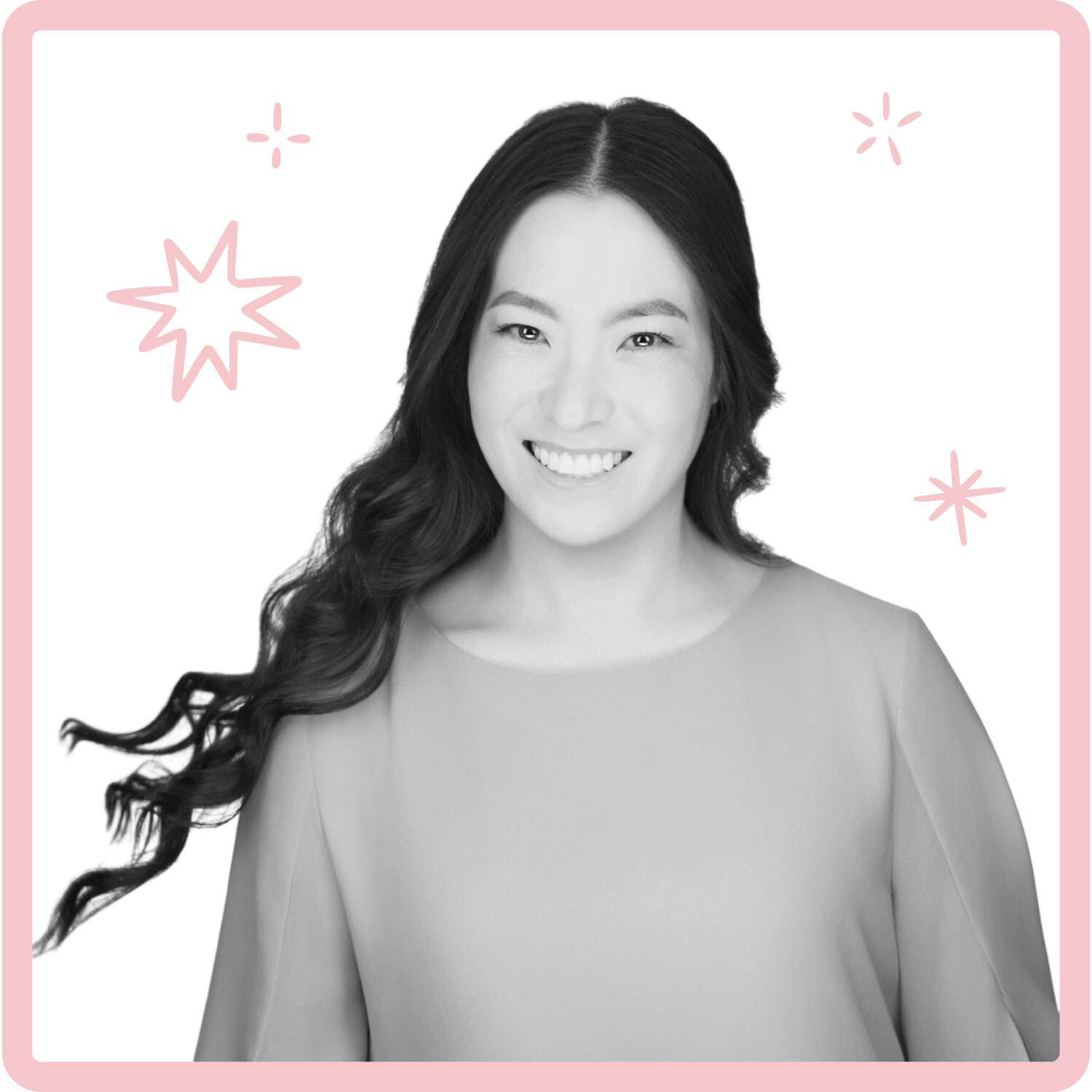
By day, Kira McKinnell is a procurement manager for IBM, where she also runs a Business Resource Group (BRG) for People with Diverse Abilities. By night, she’s a coach, mentor, and board member for the Triangle Special Hockey Association, a nonprofit that opens the ice to children and adults with developmental differences.
The two roles couldn’t seem more different, but they offer Kira the balance she craves. “I always wanted to be in a job that gave back to the community,” she says. “But I also wanted to enjoy a challenging, fast-paced job in technology.”
Kira does work that many might find intimidating: “I write and negotiate contracts,” she explains. “Most people don’t like that. But I enjoy it; it gives you a dopamine hit when you close a contract. It’s a definitive, you’re done. That’s gratifying for me.”
The law degree she earned from UNC certainly helps. “I disliked contract law in school,” she says. “I wanted to do family law.” But Kira graduated in 2015, in a tough market. “I got really lucky with IBM,” she says, “and just worked hard to prove myself.”
When she hits the rink with Triangle Special Hockey, the former competitive figure skater trades contracts for coaching — and she does it in figure skates. “Everyone else wears hockey skates,” Kira says with a laugh.
In addition to coaching, Kira runs the Learn to Skate program and serves on the board of directors. “I’ve known some players for 10 years now,” she says. “It’s amazing to see a player go from throwing off their helmet to skating unassisted within the same season.”
Kira’s passion for inclusion is deeply personal, as her brother has autism. “He was diagnosed in 1996,” she says, “people had a different understanding of autism.” People would take their kids off the playground, which was hard for Kira’s brother — and for her, too. “Triangle Special Hockey wouldn’t have existed back then.” Now it gives families a place to belong.
Today, the program serves about 60 athletes each season, and is expanding into ball hockey, a more accessible, off-ice version. “Some kids aren’t ready for full gear or ice skates,” she explains. Ball hockey helps them acclimate to the gear and the sport, fostering progress at their own pace.
Juggling motherhood, a demanding job, and nonprofit leadership (not to mention seven pets!) isn’t easy. “It’s hard to be a working mom,” Kira says, though she also acknowledges she couldn’t do it without her supportive husband. “You can succeed at two things: You can succeed at working, and you can succeed at being a mom. And I want my daughter to see that women can lead, that they can succeed at doing both.”
Whether she’s finalizing a contract or fastening a hockey helmet, Kira leads with empathy. For a lot of her players, hockey isn’t just hockey: it’s where they find friendship and acceptance. “Hockey is just an added bonus they get.” she says.
Catherine Etheridge Otto
Associate General Counsel, Corporate Strategy, SAS
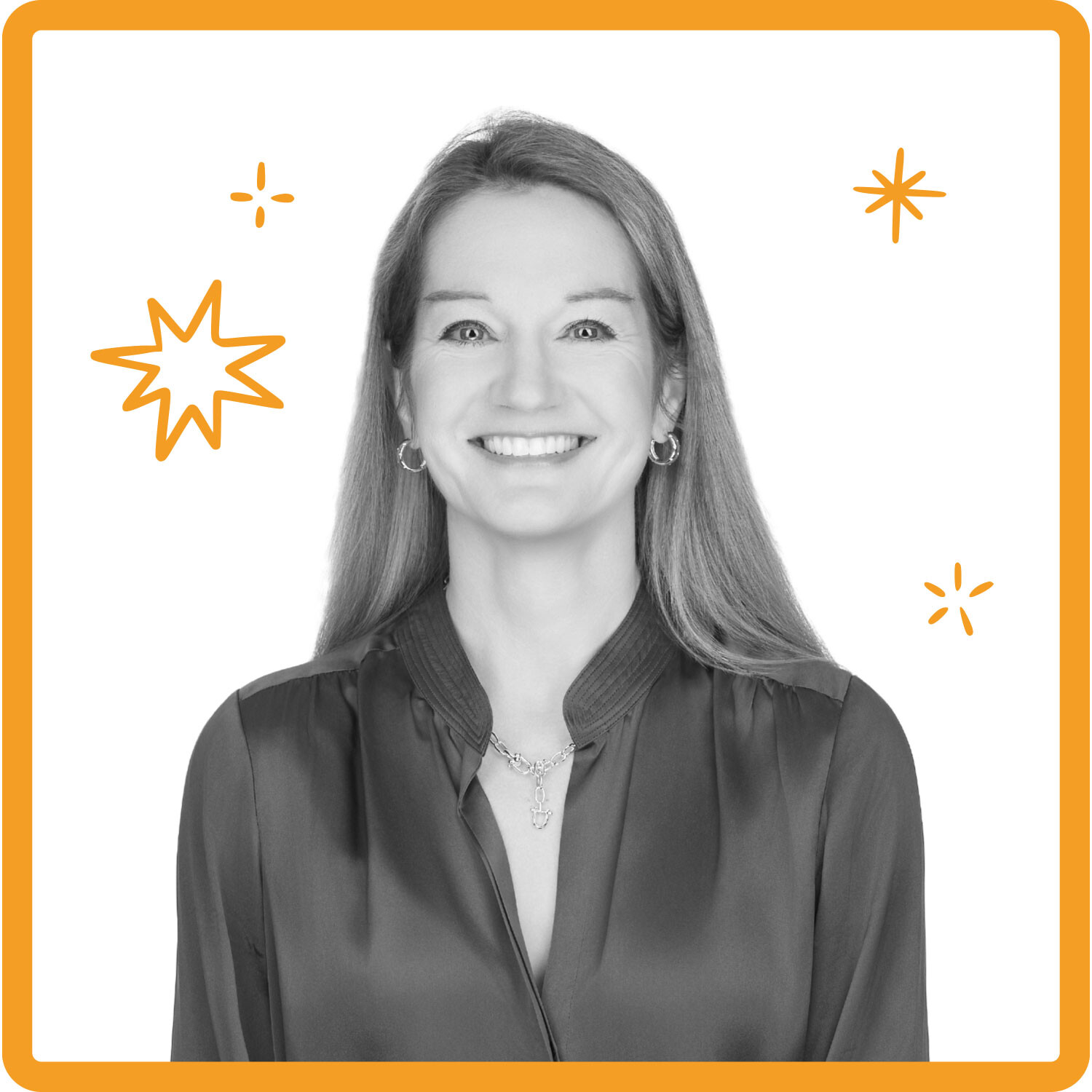
Catherine Otto has learned that law is more about alignment than arguments. “When you tell us what you want to do, we’ll help you find a way to do that,” she says about helping business vision meet legal integrity. “Our job is to reduce risk as much as possible while still supporting business goals.” For Catherine, the fun part is the creativity: finding solutions that make sense for everyone involved.
Catherine joined SAS after a career in private practice. “In October, I’ll have been there for 10 years,” she says, which “in SAS years is still kind of a baby.” She began with transactional work before moving into corporate governance, mergers and acquisitions, and risk management. Today, her department touches virtually every corner of SAS’s global structure and means that no two days look the same. “It’s pivot, pivot, pivot,” she says.
A North Carolina native, Catherine grew up in Lillington, went to the School of Science and Math, and then to UNC-Chapel Hill for college and grad school. Her master’s in education was followed by law school, as she planned to pursue education policy. That was until a “super interesting” pro bono death penalty case at a big law firm changed everything.
Catherine’s early legal career was spent at Womble Carlisle (now Womble Bond Dickinson), where she practiced litigation and later transitioned into intellectual property. “I realized litigation wasn’t really my jam,” she admits. “I felt like my personality wasn’t as much a fit for litigation as I thought it would be. I thought, There’s got to be a kinder, gentler way to practice law.” After that realization, she moved to the firm’s intellectual property practice group and transactional work, which is all about “creating something together.”
Mentorship was pivotal in shaping Catherine’s career, and she credits a partner at Womble for both professional and personal guidance. “She’s still one of the best mentors I’ve ever had,” she says about the woman who instilled wisdom for both craft and life. “She gave me the room to figure out how I wanted to accelerate my career while raising three little boys.”
Now a leader herself, Catherine models that same openness with her team. “I try to be as transparent as possible,” she says. “I never want someone to feel unmoored or flailing in any way. … I never want them to feel like they can’t reach me.”
Outside the office, Catherine navigates life with the same pragmatism she applies at work. When your kids are little, she says, it’s physically demanding. When they’re older, it’s more mental and emotional. “My first hat I put on is attorney or problem solver,” she says, but she has learned to just listen and not try to fix things.
From her early dream of shaping education policy to steering strategic counsel for one of the world’s leading analytics companies, Catherine has “really enjoyed the journey I’ve been on. …
I really love what I do because of all the variety. I’m never bored.” Law, it turns out, was far kinder — and more creative — than she could have ever imagined.
Emily Sasser
Co-owner, Gentlemen’s Corner
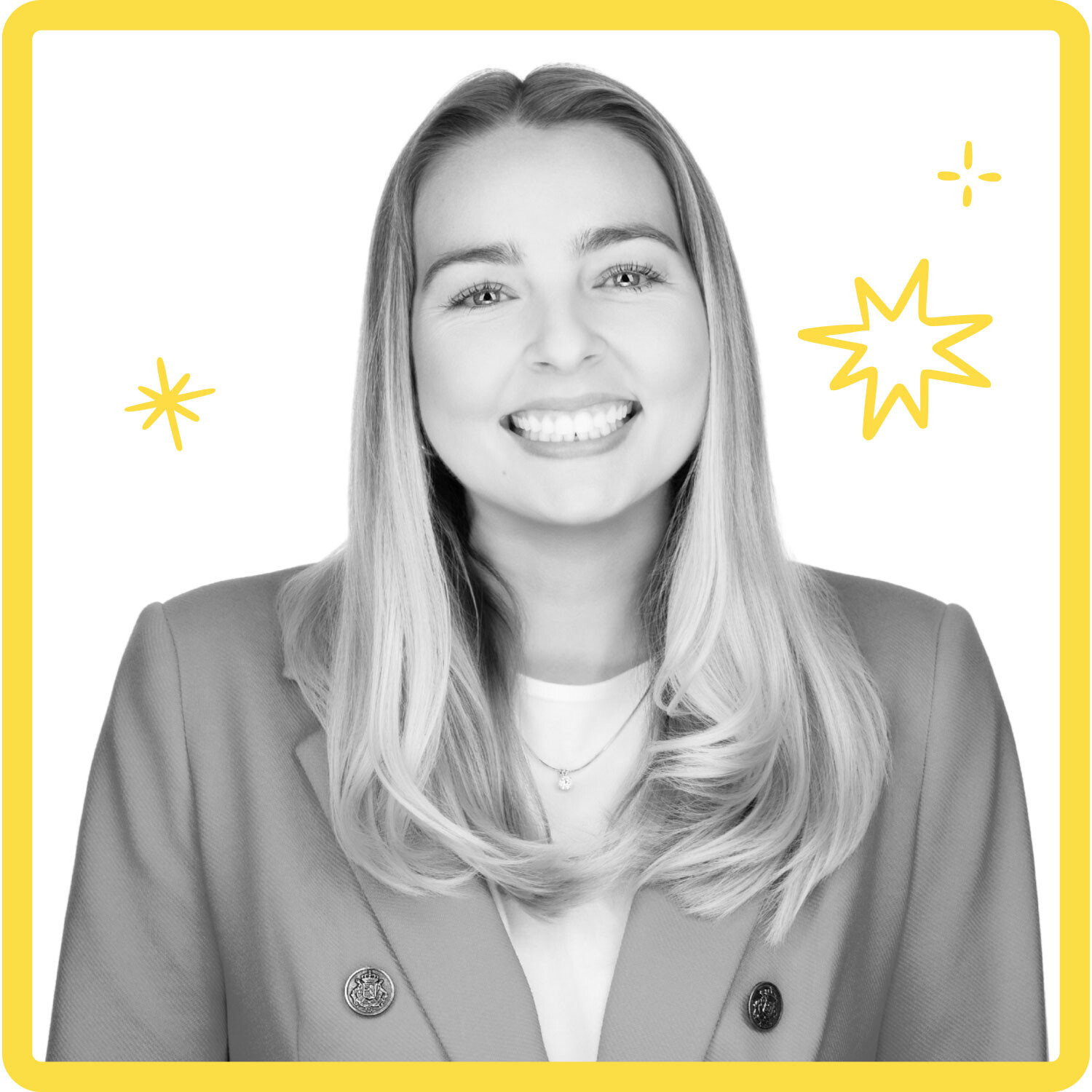
“It’s timeless,” says Emily Sasser about why she appreciates men’s clothing. While women’s fashion is heavily influenced by trends, men’s clothing, whether classic or contemporary, remains stylish and sophisticated.
In her role as co-owner of Gentlemen’s Corner in downtown Cary, the second location after a move from MacGregor Village two years ago, she sells “a little bit of everything” … from flip-flops, bathing suits, and T-shirts to made-to-measure tuxedos and accessories.
Many customers visit looking for sport coats, suits, and tuxedos — dressing for weddings, funerals, and conferences, but they are also regularly shopping for work and vacation wear. “We’re dressing 15-year-olds to 80-year-olds,” Emily says about a carefully curated collection of menswear that spans both occasion and generation.
This ability to meet diverse customer needs is partially driven by Emily and co-owner Worth Honeycutt “buying things that we like” when they go to market twice a year in Chicago to find the best brands to bring to Cary, “because if you buy something that you like, you’re going to want to sell it.”
But it is “relationship building, a hundred percent” that Emily credits for her success. It’s also her favorite part of the job. Repeat customers and word-of-mouth recommendations are heavily resultant on her ability to “just communicate with the customer.”
Men’s clothing is in Emily’s blood, as although she partakes in women’s fashion trends personally, she has two brothers and a father whom she has always enjoyed dressing. She was also fortunate to watch brother Harrison, older by nine years, look “like he was having a blast” when he opened his own Gentlemen’s Corner in Wilmington in his early 20s.
After a college internship for Johnnie-O and a job with Stitch Golf after she graduated, the former college basketball player’s graphic design background guided her plan toward working at a creative agency. But then Harrison called — coincidentally when Emily was around the same age that he was when he opened his store — and asked if she wanted to help him run the one in Chapel Hill.
After moving that store to Cary, Emily joined in ownership of a brand founded in Pinehurst before she was even born. Seven years later, Emily and Worth have embellished Gentlemen’s Corner with a uniquely fresh look and youthful touch. “Sometimes I feel like high-end men’s clothing can get a little older,” Emily says, so many men, and their wives or girlfriends or whomever they’re shopping for, appreciate a young and, in many instances, female perspective.
Emily, who grew up in “so special” Cary, says she never could have imagined she would own a retail store downtown — a place where she’d also love to live.
“We’re seeing more people than ever,” she notes about the store’s part in the town’s transformation. “I value the repeat customers, but it is also nice to see these new faces,” she says about the gentlemen she dresses.
Zachary Stephens
Director of Operations, Crawford Hospitality
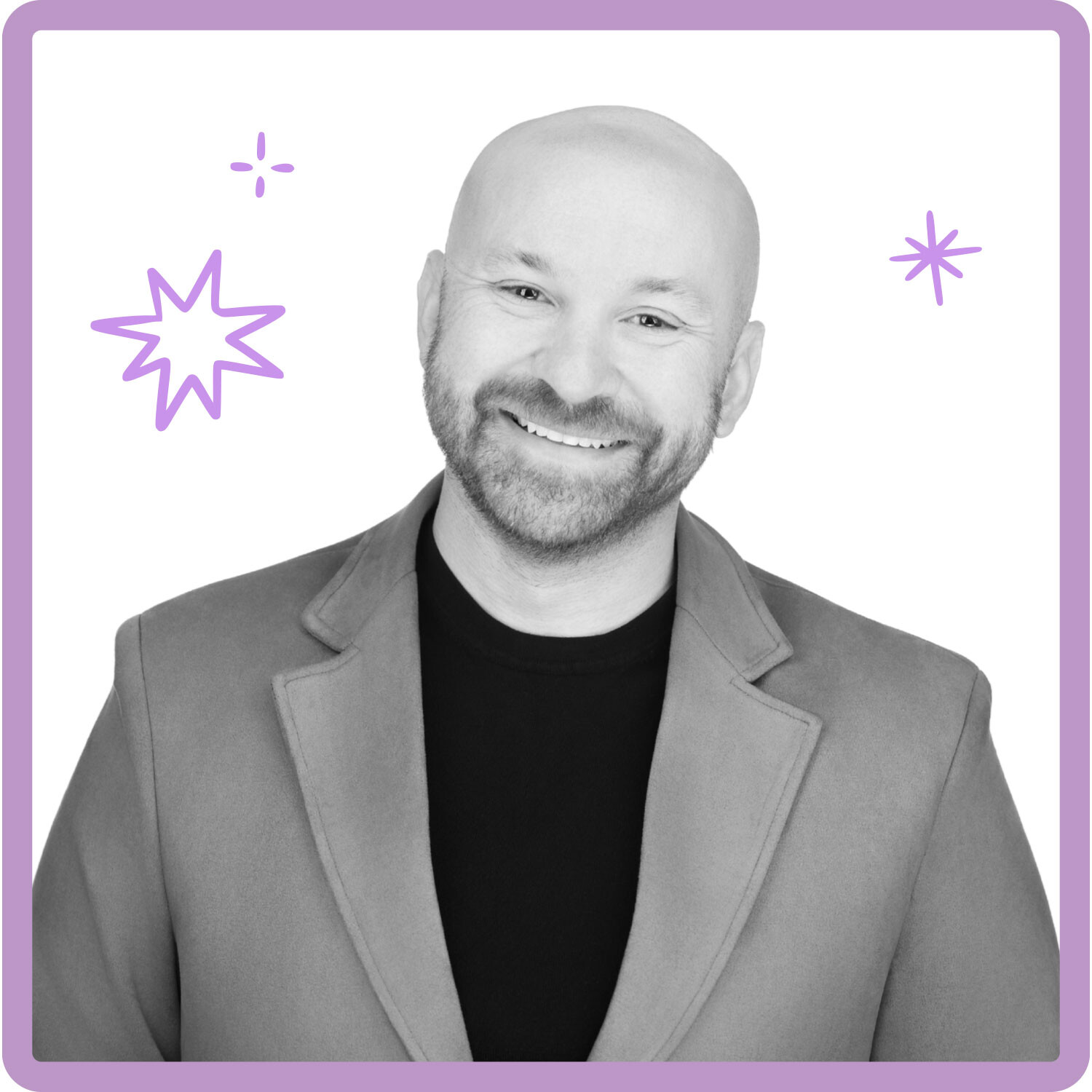
“I started with this one first,” Zachary Stephens says, gesturing to the tattoos on his left arm. “This is my food sleeve, essentially.” Each image — octopus, catfish, purple cabbage, avocado — represents a family member, as Zac didn’t want the typical chef tattoo. “I wanted something a little bit more purposeful,” he says. In many ways, that same intention runs through his life and career.
Zac comes from a lineage of hospitality. His grandfather was a cherished “true hospitality professional” who owned a small, beloved restaurant in Wilson. “He would have homeless people come in, give them a plate of food and a $20 bill,” Zac says. “There’s something to be said for the simplicity of hospitality and just treating people as human beings.”
Following an initial foray into college and a 9-to-5, Zac “realized (hospitality) was already in my blood.” After graduating from culinary school, he packed his knives and moved to New York. “I knew if I pushed myself there, I could work anywhere,” he recalls — and indeed he did. Less than three months after starting as a server, he became a manager.
Today, as director of operations for Chef Scott Crawford’s restaurant group, Zac helps oversee acclaimed spots like Jolie, Brodeto, and Crawford Brothers Steakhouse. “Learning from Chef Scott is so interesting … making sure I look at the details,” he says. “The details are what we’re known for.”
Zac helped open Brodeto, which had 121 seats compared to Jolie’s 52. “It was stressful but the best opening I’ve ever been a part of,” he recalls. A year later, he stepped into his current role and opened Crawford Brothers Steakhouse and Sous Terre. Yet, for all the moving parts, Zac’s focus remains simple: care.
“I hope people learn empathy from me,” he says. “It’s important to give people a charitable assumption.” His leadership style emphasizes compassion and collaboration. “People show up differently when they know they have a voice.”
That safe, inclusive philosophy extends into a company culture that is intentionally different from other restaurant groups. “I want to create a safe space,” he says. “This is a real job. I want people to have healthcare, set days off, and time to plan their lives.”
When asked what keeps him motivated, Zac’s answer comes instantly: “It’s the experience.” He knows people come for the food, but they stay for how they’re made to feel. “To me, that’s the best thing,” he says. “It’s nourishment — a different form, but something for the soul. It’s the most beautiful thing in the world.” For Zac, hospitality isn’t a transaction; it’s a way to connect.
That connection is personal, too. His mother, who was a hairstylist for almost 37 years, has inspired much of Zac’s compassion and prepared him for a career in hospitality. Zac describes himself as very close to his family and friends. He also admits: “This job takes a lot out of me, but it fills my tank at the same time.”
Cassie Volpe
Marketing Strategist and Founder, SOFO Marketing
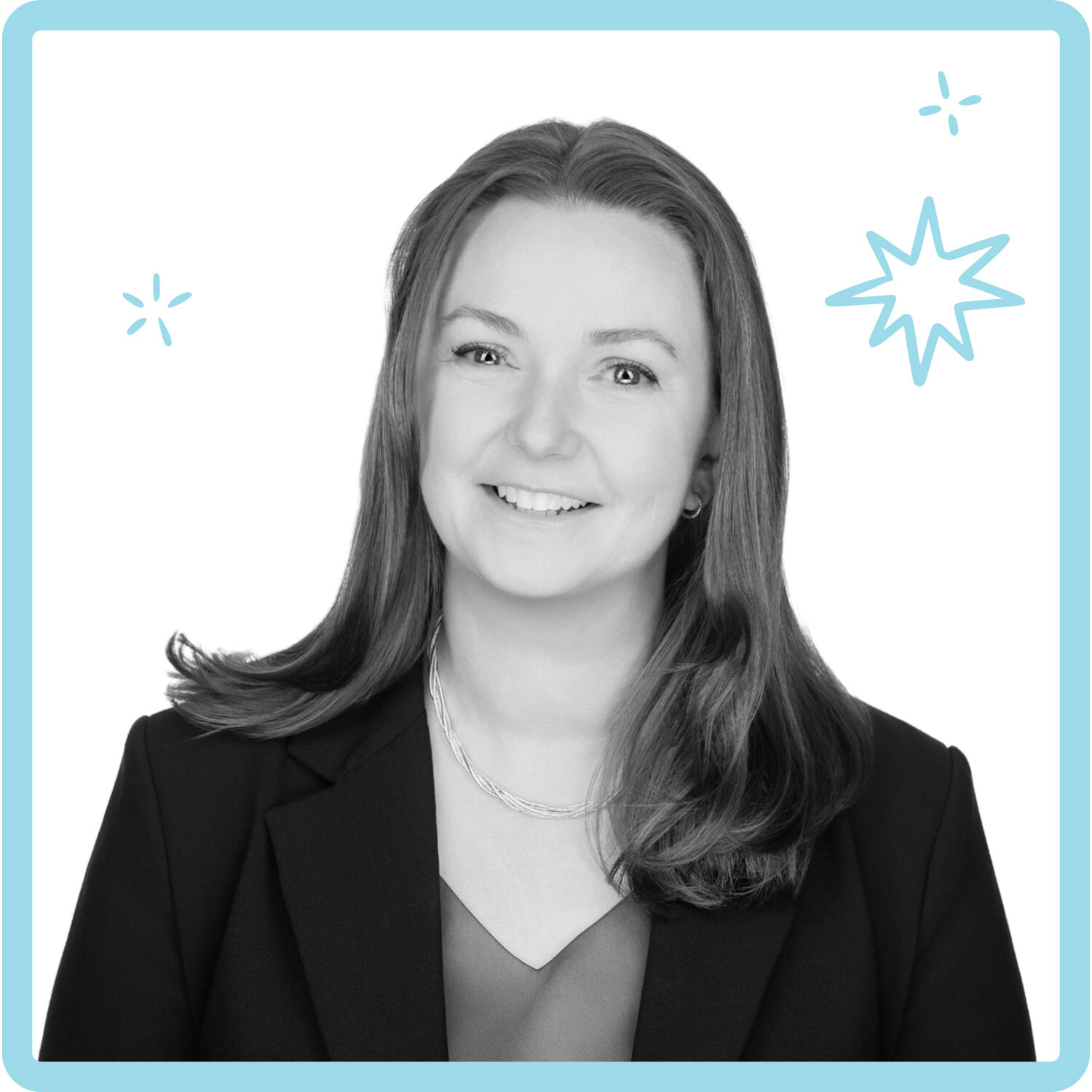
The year 2020 brought a “serious restart” for Cassie Volpe and her family. They were moving to Raleigh after five years in Dallas. They knew no one here. Everything was locked down. And after their moving truck was in a terrible accident, Cassie and her husband and two kids lost all their possessions.
This period of upheaval wasn’t unique to Cassie, as she says, “I think a lot of people were evaluating what they were doing in life and ready for new chapters.” But the pandemic and her moving experience opened her up to reprioritize. “That was not all of the reason that SOFO started,” she says, “but it surely helped.”
Starting “something completely new” isn’t typical for Cassie, as she describes herself as needing to “have ground under me,” but she had been working freelance for a long time with other agencies. So although she says, “I don’t leap,” she did by founding her own marketing firm.
SOFO, which turns four this summer, specializes in hospitality and wellness brands — restaurants, bars, and day spas across North Carolina and beyond. The dual focus wasn’t entirely planned, as Cassie’s original vision centered on food and beverage, a natural extension of her years spent working in restaurants from back of house to front. (She says she’s done everything in a restaurant except tend bar.)
But an opportunity to work with day spas, building on experience from her Dallas years, shifted the balance. Today, wellness clients account for much of the business — and require a fundamentally different approach. “Restaurants tend to need mostly social media support,” Cassie explains. “Whereas with spas, I’m their entire marketing manager: media buying, radio ads, online promotions … everything.”
What started as a solo operation has grown into a team of account managers, social media specialists, and a new graphic designer. More clients are expected this year. But this expansion has forced Cassie to confront something harder than scaling a business: letting go.
“I want to shift into the CEO mindset — be strategic, support my team, work on the business, not in the business,” she says. “I’ve got one foot there and one foot out.”
For someone who describes herself as “incredibly organized” with “a project management system and a spreadsheet and a procedure for everything,” releasing control doesn’t come naturally. “I’m used to running it and knowing exactly what’s happening all the time,” she admits. “Now I just know that I have a great team … and release.”
Cassie’s husband — her “entire board,” she jokes — has an MBA in entrepreneurship and serves as her sounding board. Her parents help with the children and help make the daily balancing act possible.
Looking ahead five years, Cassie sees the CEO role fully realized: a thriving client roster, a capable team, and perhaps a little less running around. But she won’t rush it.
“I’d rather miss out on an opportunity than take on something and not know that I can deliver,” she says. “I think in life and in business, I’m an under-promise, over-achieve kind of person. I find that that serves me well.”
Dustin Williams
President, Fuquay-Varina Chamber of Commerce

For Dustin Williams, success is measured in smiles, handshakes, and moments shared between neighbors. “Honestly,” he says, “the saddest thing in the world today — and that’s what I’m trying my best in my job to do: be nice — is that in the busyness or the KPIs, we’ve lost that focus. If I could write a book, it would be called How to Say Hello.”
Dustin’s philosophy is simple: Business thrives where relationships do. That human-centered approach has helped transform the Fuquay-Varina Chamber into the fastest-growing chamber in North Carolina, nearly tripling its membership since he took the helm three years ago. “We had 160 new members last year,” he says, whereas a typical year would be 50 to 75. “It’s overwhelming in a good way.”
That focus on connection comes naturally to Dustin, as he spent 21 years working for the YMCA of the Triangle before stepping into the chamber world. “I’ve always been in the community, always been with people,” he says. “I went from helping people to helping businesses … and fell in love.”
After living in Fuquay with his family for almost 17 years, Dustin now finds himself living, working, playing, doing everything in the same town. “Every day I go to work, I’m either planning the next thing or helping someone that calls or walks in. The most satisfaction I get is when a business owner says, ‘I have seven more clients now thanks to this event.’”
Dustin knows that many small-business owners aren’t natural networkers. “What surprised me is how introverted business owners can be,” he says. They often feel more comfortable behind the scenes and have to divide their time among many demands.
“I love helping them tell their story,” he says, relishing the opportunity to create spaces and places for them to grow their businesses. “It’s been really cool to hear those success stories or to see their confidence.”
That’s exactly what Dustin is doing through events and programs that bring people together, like Next-Gen Entrepreneur Day, where kids ages 7 to 17 sell their own products. “I can say at our chamber, you’ll meet a 17-year-old girl and someone in their 80s.”
Dustin is also intent on breaking the old stereotypes about chambers of commerce. “Nationally, chambers can be seen as the good old boys’ club — a cup of coffee and golf,” he jokes. “Well, I hate golf. I don’t like coffee.”
This sense of authenticity ripples through Fuquay-Varina’s rapidly growing business community. But as Dustin says: “No matter how big we get, it’s still about who you know. … You don’t need to be the smartest person in the room or the wealthiest. It’s about who knows who, and who’s helping that person.”
That’s what drives Dustin every day. “If chambers are doing the right thing,” he says, “it’s about advocating, storytelling, relationship building. … We’ve lost the focus of making new friends. If you went back to elementary school, and you asked someone, ‘Hey, want to play?’ — that’s the same thing I’m doing. Just say hello. That one hello could change everything.”

- 2026 Movers & Shakers
- Made for Shade
- Truman’s Smokehouse & Kitchen
- Garden Adventurer: Oakleaf Hydrangea: Graceful Pizzazz
- Recipes from Readers: Cake in a Cloud
- Liquid Assets: The Matador
- Erica Chats: Make the Most of the NC Summer
- Pay It Forward: South Wake Area Native Ecosystem Conservation
- Local Lit
- Small Business Spotlight: The Vintage Teapot
- Things to Do: May 2026