



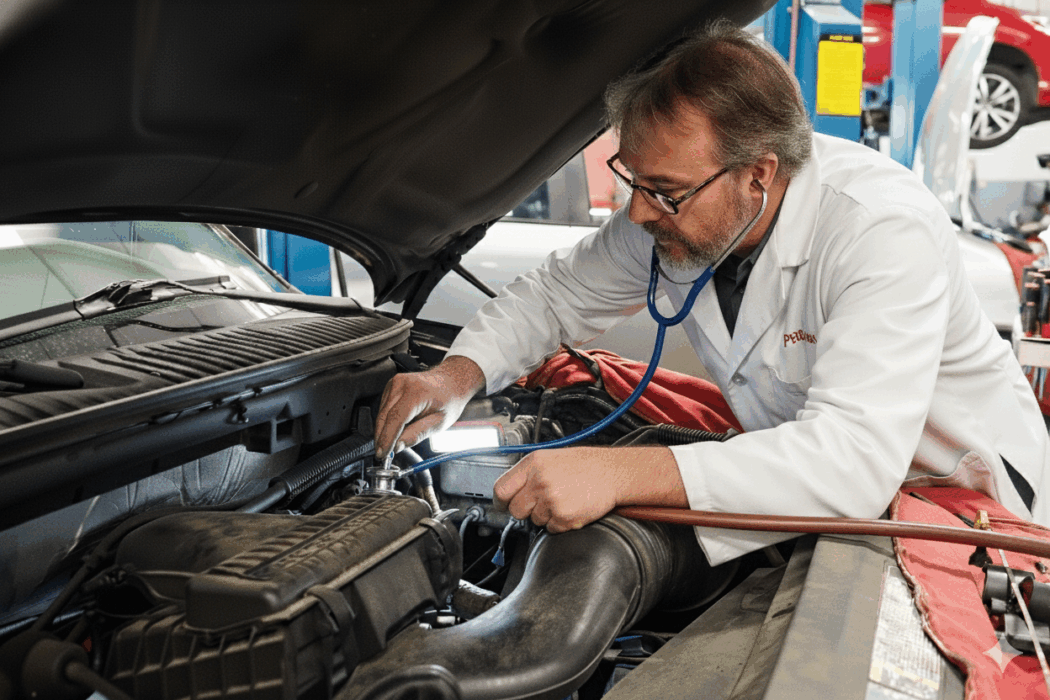
When your car starts making a strange noise or a warning light flashes on the dashboard, it’s easy to think of it as just another inconvenience. But in many ways, automotive repair isn’t all that different from medicine. Both fields require deep knowledge, diagnostic skill, and above all — trust. You wouldn’t go to just any doctor to treat your body, so why would you take your vehicle, a complex and valuable machine, to just any mechanic?
Like the human body, a modern vehicle is made up of intricate systems that work together — electrical, mechanical, hydraulic, and digital. When one system fails, it can affect the entire vehicle’s performance, just as an untreated health issue can impact the rest of the body. Skilled technicians, much like physicians, rely on advanced diagnostic tools to pinpoint problems. They interpret data, assess symptoms, and prescribe the right “treatment,” whether it’s replacing worn components or recalibrating high-tech sensors.
Both mechanics and doctors also emphasize preventive care. Routine oil changes, tire rotations, and fluid checks are the automotive equivalent of annual physicals and checkups—small, consistent steps that prevent costly, catastrophic failures down the road. Ignoring maintenance is like skipping a doctor’s visit; short-term savings often lead to long-term damage.
Trust plays a central role in both professions. Just as patients place their health in the hands of medical experts, vehicle owners must rely on experienced, certified technicians to keep their cars safe and reliable. The best mechanics, like great doctors, listen carefully, communicate clearly, and prioritize honesty over quick fixes.
So, the next time your car needs attention, think of it the way you would your health. Quality care matters — whether it’s for your body or your vehicle. Choose your mechanic as carefully as you’d choose your doctor.
Cary Car Care
234 E. Johnson St., Cary
(919) 249-5475
https://carycarcare.com/