




Love adventuring with L.A.’s garden tales? Catch him on episode 21 of the What’s Up, Wake podcast. He discusses how he got into gardening, the rise and fall of Carolina Gardener Magazine, hot-weather gardening tips, local garden shops, and more.
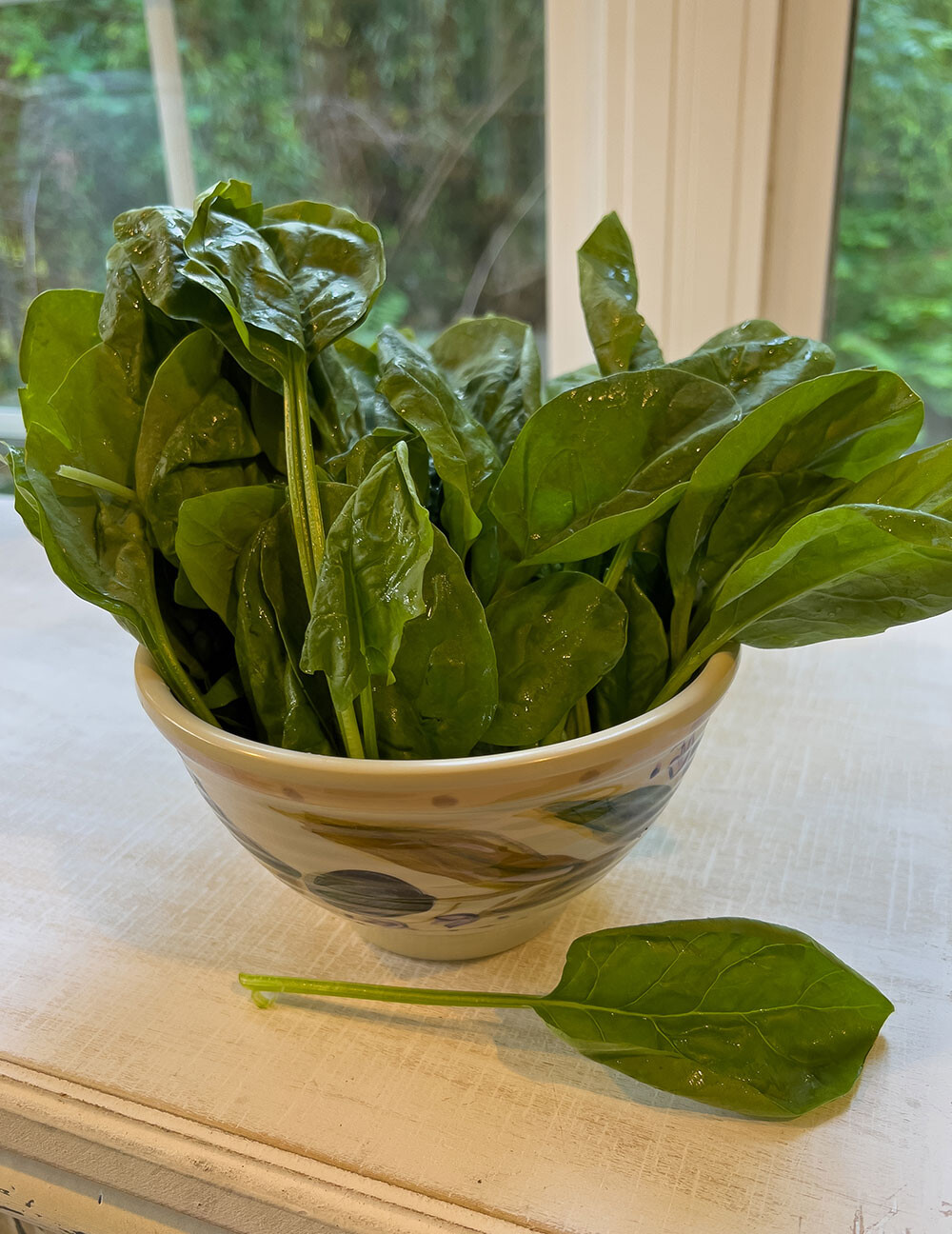
As the full scorch of summer begins to subside by the middle to end of this month, I bear what’s left of the heat and humidity to start a spinach patch.
Whoa! Isn’t spinach a cool-season crop? It sure is, but this nutritious, delicious veggie germinates and matures faster in warm soil.
Interested? Well, before you start slinging seeds, gardener, prepare thy planting site! By now, between nutrients sucked up by summer vegetables and the earth being cooked in the incessant sun, any growing ground you are considering for a spinach patch is probably less than ideal for new plantings.
Compost, whether store-bought or homemade, will naturally revive poor soil, so incorporate plenty into the growing ground. Also, since spinach grows better in dirt with a neutral pH, mixing in a good dusting of lime will also help improve the bed.
Fertilizer, of course, fuels fast spinach growth, and since this veggie is grown for its leaves, high-nitrogen plant food is welcomed. I don’t overthink this requirement myself because, for years, I have just added common 8-8-8 or 10-10-10 fertilizer at planting time, followed by an additional light dose every four weeks, and have always had bumper crops.
An inch of water weekly is another requirement for quick-growing spinach, so, when the rains don’t come, have the garden hose ready to go.
If your garden lacks extra space, you can still enjoy fresh spinach by growing it in containers. Although I have plenty of land, I’ve done this trick for years, using a few leftover 12-inch diameter nursery pots set in a sunny site on my deck and stuffed full of quality potting soil, just so I can pinch off a few tasty leaves before I head out to the garden.
Spinach matures about two months after seeding. To extend harvest time, succession plantings spaced about two weeks apart will do the trick.
When picking mature spinach, go for the outer leaves first. You can also “cheat” by plucking tender baby leaves in about three to four weeks.
As far as spinach cultivars to try, if you like crinkled leaves with crunch, ‘Bloomsdale Long Standing’ has been a garden standard for eons. I prefer selections with smoother leaves, such as the popular ‘Space’ or ‘Melody,’ because they are easier to wash and prep in the kitchen. Less wrinkles also provides fewer hiding places for insects, meaning my enjoyment of a fresh spinach salad will less likely be interrupted by a bug playing “peekaboo” in my meal!
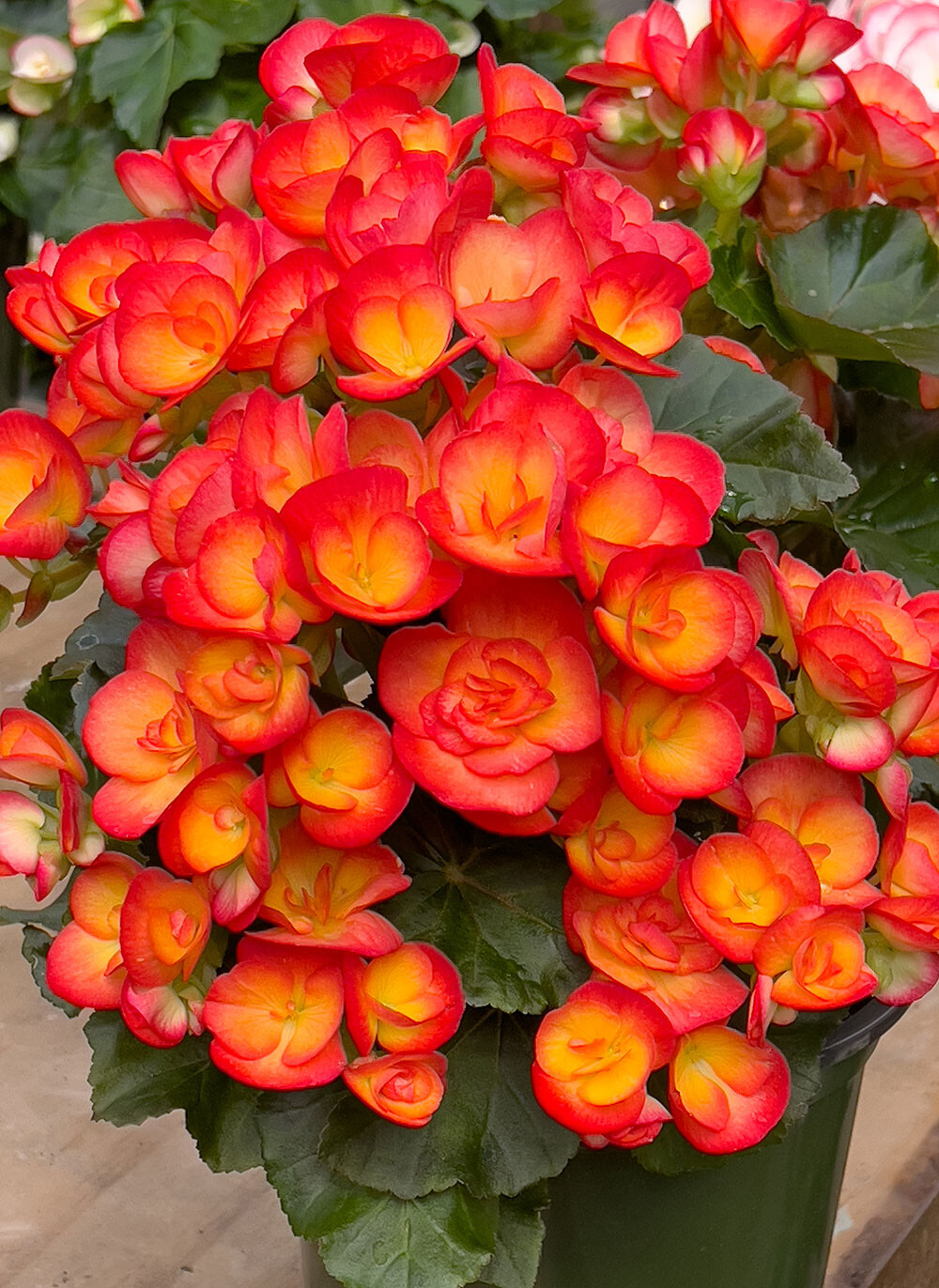
Begonias such as ‘Carneval’ can bring bright bling to shadowy areas of the garden.
By now, I’m sure the incessant sizzle of the summer sun has you occasionally seeking relief from the heat in shady areas of the garden. However, such shadowy retreats can be, well, green, green, green. So, why not add some bling amid the monochrome? There are plenty of colorful plants that, whether potted or dug into beds, will shine where the sun doesn’t.
Such fancy plants for shady situations include variegated hostas, begonias, caladiums, Japanese painted ferns, heucheras, old-fashioned impatiens, and polka dot plants.
All of these pretties will be just fine basking in early morning sunlight, but they, like you, do better shielded from ol’ Sol during the high heat of the day.
To Do in the Garden
August
- Besides spinach, other cool-season veggies you can plant include broccoli, cabbage, Brussels sprouts, beets, carrots, cauliflower, Swiss chard, kale, leaf lettuce, mustard greens, turnips, radishes, and onions.
- If you start with set plants at the beginning of this month, there is even time for a final round of warm-season edibles such as tomatoes, squash, peppers, okra, eggplant, and cucumbers.
- Spring flowers are just a memory now, but there is still plenty of blooming color to be had in the midsummer garden if you add the bright blossoms of helianthus, rudbeckia, helenium, or heliopsis. These herbaceous perennials are also tough native plants, meaning they can become durable fixtures in your flower garden for many growing seasons to come.

- Garden Adventurer: Spinach Planting Time!
- Small Business Spotlight: Sweet Talk Cafe
- Irregardless of Time
- Liquid Assets: Beekeeper Honey Wheat Ale
- Liquid Assets: Mae Culpa
- Erica Chats: Rethinking Food
- Pay It Forward: Raleigh City Farm
- Her Garden Grows
- Burger Bonanza
- A Family Affair
- Buzzing with Purpose
- Buzz-Worthy Bites
- Things to Do: August 2025



Good